How to Choose a Smarter Ceiling Fan for Modern Rooms
A ceiling fan is no longer just a seasonal appliance. It has become part of the room’s lighting plan, its comfort strategy, and even its visual identity. The right model can make a living room feel cooler without turning it into a wind tunnel, brighten a dark corner without adding another floor lamp, and respond to a simple command when your hands are full. The wrong model, however, can buzz, wobble, or look out of place above a carefully designed seating area.
This guide looks at the decision from three practical angles: light, control, and airflow in challenging spaces. Instead of chasing the longest feature list, focus on how you actually use the room. That approach makes the choice easier and usually leads to a fan you are happy to keep for years.
Comfort, Light, and Design in One Decision
A fan used to be an afterthought—something installed above a bed or sofa because the room felt stuffy. Today, many buyers want one fixture to do more. A ceiling fan light can combine air movement with ambient illumination, which is especially useful in bedrooms, small living rooms, and home offices where ceiling space is limited.
The key is balance. If the light is too harsh, the fan becomes unpleasant at night. If the airflow is too strong at the lowest setting, it can feel drafty. Look for dimmable lighting, multiple speed settings, and a design that matches the room’s scale. In a low-ceiling room, a flush-mount style often feels cleaner. In a taller space, a slightly deeper fixture can add visual weight and help the room feel more finished.
Start With the Room, Not the Product Page
- Ceiling height: Measure the distance from floor to ceiling before choosing a downrod or flush mount.
- Room size: A fan that is too small will not move enough air; one that is too large can overwhelm a compact room.
- Lighting need: Decide whether the fixture is the main light source or a supplement to recessed lighting.
- Style: Match the finish to nearby hardware, but do not be afraid to let the fan become a subtle focal point.
Smart buying tip: A quiet fan is often worth more than an extra feature you will rarely use. Sound quality matters every time the fan runs.
Control Is Part of the Comfort Equation
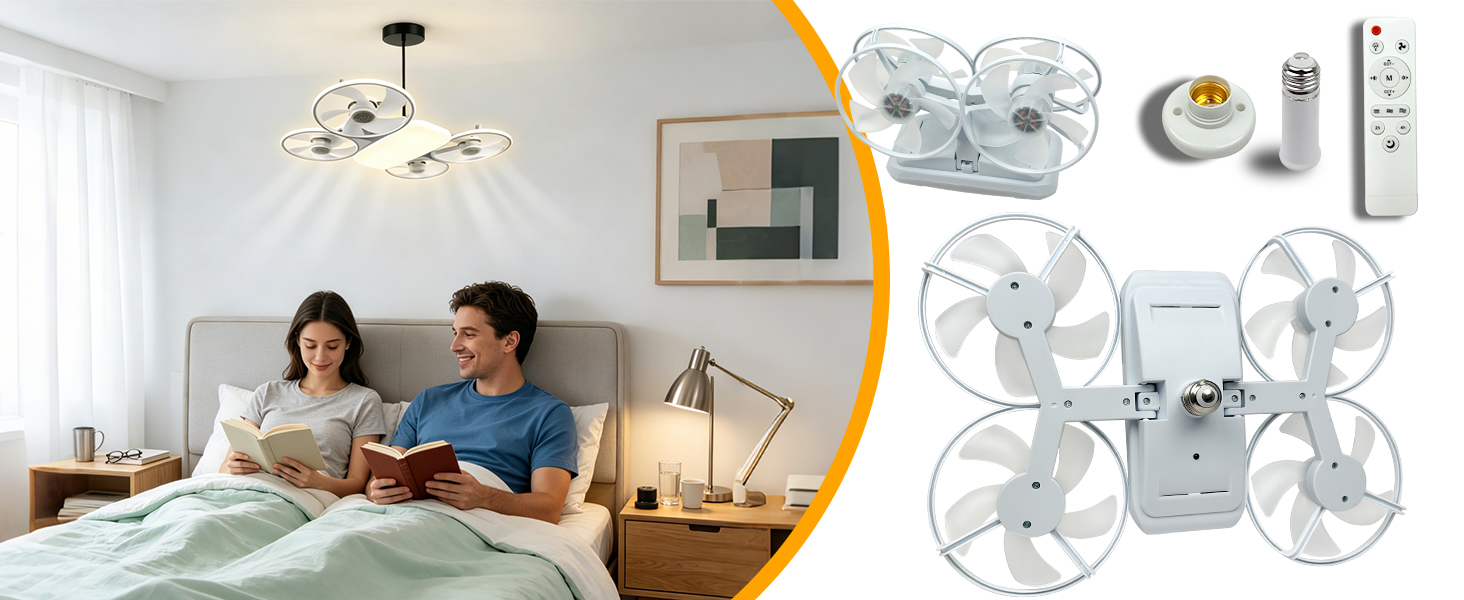
Convenience sounds minor until you live with it. Reaching for a pull chain in the dark, fumbling for a wall switch, or getting out of bed to change the speed quickly becomes annoying. That is why a ceiling fan with remote is such a practical upgrade. It keeps light and airflow control close at hand and can make a shared room easier to manage.
Remote control is not only about laziness. It can improve safety and accessibility. People with limited mobility can adjust the fan without stretching or climbing. Families can set a gentle breeze for bedtime and a stronger setting for daytime cleaning. Some remotes also include reverse functions, dimming, and timers, which makes the fan more adaptable across seasons.
What Remote Control Actually Improves
- Everyday convenience: Change speed and light output from the sofa or bed.
- Better bedtime routines: Use a timer or dimmer instead of leaving the light on full brightness.
- Seasonal flexibility: Switch airflow direction more easily when heating and cooling needs change.
- Cleaner wall design: Fewer pull chains and extra switches can keep the room looking uncluttered.
Before buying, confirm whether the remote is included or sold separately. Also check whether the fan can be controlled by a wall switch, because you may want both options. A remote is helpful, but it should not be the only way to turn on the light.
High Spaces Need a Different Airflow Strategy
Not every room has a standard eight- or nine-foot ceiling. Vaulted ceilings, lofts, open-plan kitchens, and commercial-style interiors create a different challenge. In these spaces, a standard fan may push air in the wrong place or look too small. A drone ceiling fan is designed to address that kind of layout with a more specialized approach to circulation and placement.
For high ceilings, the goal is not simply “more power.” It is directed comfort. You want air movement where people actually sit, stand, or work, without creating a constant draft that makes the room uncomfortable. A longer downrod, the right blade span, and a suitable motor are often more important than flashy extras. In large open spaces, consider how the fan will interact with existing lighting, beams, and HVAC vents.
A Simple Buying Checklist
| Question | Why It Matters |
|---|---|
| Is the fan quiet at low speed? | Low-speed noise is what you notice most often in bedrooms and offices. |
| Does the light dim smoothly? | Good dimming makes the fixture useful in the evening and early morning. |
| Is installation straightforward? | Ceiling height, wiring, and mounting type can affect the final result. |
| Are controls intuitive? | A remote or wall control should be easy for everyone in the household to use. |
Final Thought: Let the Room Set the Priority
The best fan is the one that fits the room’s daily rhythm. If the main problem is darkness, prioritize light quality. If convenience matters most, look closely at control options. If the ceiling is unusually high or the space is open and dramatic, choose a model designed for that airflow challenge. By matching the fixture to the room instead of the other way around, you get better comfort, cleaner design, and fewer regrets after installation.
About the Author