Bird Feeders & Outdoor Accessories: Creating a Backyard Haven That Birds Actually Love
A bird feeder is more than a charming addition to the garden. It is a small invitation—a reliable place where wings, feathers, and morning songs can gather. When paired with thoughtful outdoor accessories, a simple feeder can turn a plain yard into a lively habitat. The goal is not to create a crowded bird restaurant, but to build a welcoming space that supports birds through the seasons while making your outdoor area more enjoyable for you, too.
Choose a Feeder That Matches Your Visitors
The best feeder is the one that suits both the birds in your area and the rhythm of your daily life. Different feeder styles attract different species, and understanding those preferences makes every seed purchase more rewarding.
Seed Feeders
Hopper and platform feeders are classic choices for cardinals, finches, sparrows, and jays. They offer plenty of perching room and are easy to fill. Tube feeders, especially those with small ports and short perches, appeal to smaller birds such as chickadees and titmice. A tray feeder can be useful for ground-feeding species, but it should be cleaned often because seed and droppings collect quickly.
Suet and Nectar Feeders
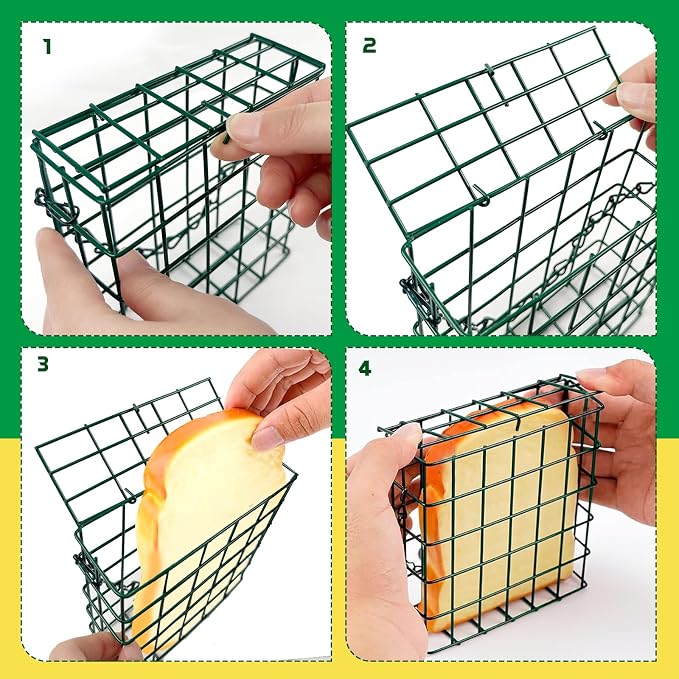
Suet feeders are especially valuable in cold weather, when high-energy food helps woodpeckers, nuthatches, and other active birds stay warm. Nectar feeders bring hummingbirds into view during the warmer months, but they require frequent cleaning—especially in hot weather—to keep the sugar water fresh and safe.
- Seed mix: choose fresh, clean blends with black-oil sunflower seed and avoid excessive filler.
- Feeder size: start small, then add capacity only if birds empty it quickly.
- Easy cleaning: removable parts and wide openings save time and improve hygiene.
Placement Matters More Than You Think
A feeder in the wrong spot can stay quiet for weeks. Birds need safe approaches, nearby cover, and a clear view of potential danger. Place feeders roughly ten to fifteen feet from trees or shrubs so birds can retreat quickly, but avoid hiding the feeder so completely that predators can sneak close unnoticed.
Good feeder placement is a balance: close enough to cover for safety, open enough for visibility, and far enough from windows to reduce collisions.
Window strikes are a serious concern. Use window decals, screens, or exterior blinds to break up reflections. Keep feeders either very close to the glass—within three feet—or farther away, since birds leaving a nearby feeder may not build enough speed to injure themselves. Also consider prevailing winds, snow drift, and easy access for refilling. A feeder that is difficult to reach often becomes a feeder that is neglected.
Outdoor Accessories That Make the Whole Yard Work Better
Feeders are the centerpiece, but accessories make the setup practical and inviting. A bird bath with shallow, moving water can attract species that rarely visit seed feeders. A solar bubbler or small dripper keeps water fresher and more noticeable, while a textured bath surface gives birds a secure footing.
Squirrel Baffles and Seed Storage
Squirrel baffles are not a sign of defeat; they are a sensible part of feeder design. A pole-mounted baffle can keep squirrels from climbing, while a dome baffle protects hanging feeders from above. Equally important is seed storage. Metal containers with tight lids protect seed from moisture, insects, and rodents. Store only what you can use within a few weeks, and keep the storage area cool and dry.
Weatherproof Comforts
Outdoor accessories also include the small comforts that make bird watching pleasant: a sturdy hook, a weather-resistant seed scoop, a pair of binoculars on a nearby table, or a sheltered bench positioned for quiet observation. These details do not need to be expensive. They simply need to make the routine of feeding and watching easier to maintain.
Maintenance: The Habit That Keeps Birds Coming Back
A dirty feeder can spread disease and discourage even the most loyal visitors. Clean feeders regularly with hot, soapy water and a mild bleach solution when needed, then rinse thoroughly and allow them to dry completely before refilling. Replace wet or moldy seed immediately, and rake up hulls and droppings beneath busy feeders.
- Refill feeders often rather than topping off old seed.
- Clean hummingbird feeders every few days in warm weather.
- Move feeders occasionally to prevent waste buildup and reduce predator habits.
- Watch for sick birds and temporarily remove feeders if illness appears.
Seasonal Adjustments for Year-Round Appeal
Bird feeding changes with the seasons. In winter, high-fat foods and sheltered feeders help birds conserve energy. In spring, clean up old seed and prepare for nesting species. Summer calls for fresh water, shade, and vigilant cleaning, while autumn is a good time to inspect poles, baffles, and hanging hardware before harsh weather arrives. A well-planned setup evolves with the year instead of sitting forgotten in the rain.
Final Thoughts
Bird feeders and outdoor accessories work best when they support a simple cycle: offer good food, provide clean water and safe cover, keep everything tidy, and observe quietly. You do not need a perfect garden or a costly setup. With a suitable feeder, thoughtful placement, and a few practical accessories, your backyard can become a dependable stop for birds—and a calmer, more interesting place for you.
About the Author