Smart Kitchen Organization: Snack Containers, Lidded Storage, and Food Storage Containers That Work
A well-organized kitchen does more than look tidy. It saves time, reduces waste, and makes everyday routines feel calmer. Whether you are packing school lunches, preparing weekly meals, or simply trying to keep the pantry from turning into a pile of half-open bags, the right storage strategy matters. That is where Snack containers can make an immediate difference. They give loose crackers, nuts, dried fruit, and granola a clear home, and they make portioning easier for both kids and adults.
But organization is not about buying every container you see. It is about choosing a system that fits your space, your habits, and the foods you actually eat. A thoughtful mix of stackable boxes, clear bins, and airtight jars can turn a crowded shelf into a functional pantry. Below, we look at practical ways to use snack containers, lidded options, and food storage containers without overcomplicating your kitchen.
Start with a Simple Pantry Audit
Before you shop for new storage, empty one shelf or one cabinet at a time. Group similar items together: baking supplies, breakfast foods, dry snacks, and dinner staples. Check expiration dates and combine open packages whenever possible. This step usually reveals two things: you may have more duplicates than you realized, and you may need fewer containers than you expected.
Use the “touch once” rule. If you have to move three boxes to reach the rice, the setup is not working. Place everyday items at eye level and reserve higher shelves for bulk or occasional use. Clear containers help because you can see what is inside without opening every lid.
Choose Clear Over Guesswork
Clear storage makes inventory visible. A quick glance can tell you whether you are low on oats, out of coffee, or nearly finished with the last bag of pretzels. Keep labels simple: name and date are usually enough. For families, a small label on the front of each container can reduce the “where does this go?” question that often leads to clutter.
Why Snack Containers with Lids Deserve a Place in Your Routine
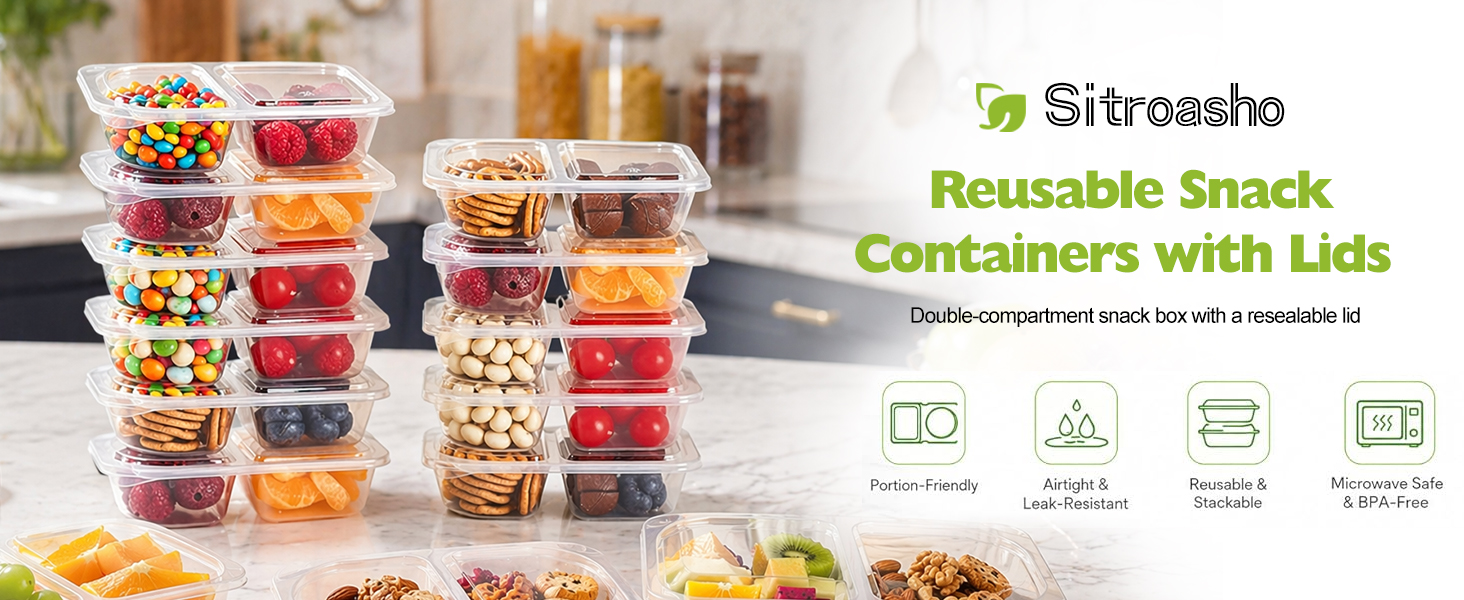
Snacks are some of the hardest items to keep organized because they are small, opened often, and rarely returned to their original packaging neatly. Snack containers with lids solve several problems at once. They keep food fresher, prevent spills, and make it easy to grab a portion without dragging out an entire box.
For busy households, lidded containers are especially useful for:
- Grab-and-go mornings: Pre-fill small containers with nuts, cereal, or dried fruit the night before.
- Lunch packing: Use separate compartments to keep crunchy items away from juicy foods.
- Pantry decanting: Transfer snacks from bulky bags into tidy, stackable boxes.
- Travel and outings: A secure lid helps prevent crumbs in bags and cars.
When choosing lidded containers, look for a comfortable seal, rounded corners for easy cleaning, and sizes that stack without wobbling. A mix of small and medium containers is usually more useful than one giant box. Small containers are ideal for single servings; medium ones work well for family-size snacks or open bags that need a temporary home.
Smart idea: Create a “snack zone” on one shelf. Keep only kid-friendly, ready-to-eat options there, and place the containers within easy reach. This reduces counter clutter and encourages independent choices.
Build a Flexible Food Storage Container System
No single container solves every storage problem. A practical kitchen benefits from a few different shapes and sizes. Square and rectangular Food storage containers maximize shelf space, while tall containers work well for pasta and cereals. Small jars are excellent for spices, seeds, and leftovers. The goal is not a perfectly matched set; the goal is a system you can maintain.
Group by Frequency of Use
Everyday items should be the easiest to reach. Weekly staples can go one shelf lower or higher, and bulk backups can live on the top shelf or in a separate closet. If you store food in deep cabinets, consider using bins that pull out like drawers. That way, you are not reaching blindly into the dark for a container that has rolled to the back.
Keep airtight where it counts. Flour, sugar, rice, cereal, and crackers benefit from a secure seal. Fresh produce usually needs airflow, so avoid sealing everything in the same way. Label the category, not just the item, if you often swap contents. For example, a container labeled “breakfast” can hold oats one month and granola the next.
Maintenance Habits That Keep the System Working
The best storage plan is the one you can reset in five minutes. Once a week, return stray containers to their zones, wipe shelves, and combine partial packages. Before grocery shopping, check what is already stocked. This simple habit prevents duplicate purchases and keeps the pantry from becoming a collection of almost-empty bags.
Also, make sure lids stay with their containers. A lid bin can be useful, but matching lids to bases immediately after washing saves frustration later. If you have children, involve them in labeling and sorting. A system that everyone understands is far more likely to stay organized.
- Empty and clean one shelf at a time.
- Sort by category and remove expired items.
- Choose clear, stackable containers for visibility.
- Keep a small snack zone within easy reach.
- Do a five-minute weekly reset.
Final Thoughts
Good kitchen storage is not about perfection. It is about making daily life easier. By combining practical snack containers, secure snack containers with lids, and versatile food storage containers, you can create a pantry that is easier to scan, easier to maintain, and easier to enjoy. Start with one shelf, choose containers that fit your real routines, and let the system grow with your household. A calmer kitchen often begins with a few small, well-placed containers.
About the Author