Fluid Extractor, Oil Extractor Pump, and Fluid Transfer Pump: A Practical Guide to Cleaner, Faster Maintenance
Whether you maintain a single car, run a small workshop, or manage a fleet of equipment, moving fluids efficiently can make the difference between a quick job and a messy afternoon. A fluid extractor, an oil extractor pump, and a fluid transfer pump each solve a similar problem from a different angle: they help you remove or move liquids without spills, guesswork, or unnecessary disassembly. Used well, these tools simplify routine maintenance and reduce the risk of contamination.
Why Fluid Handling Tools Matter
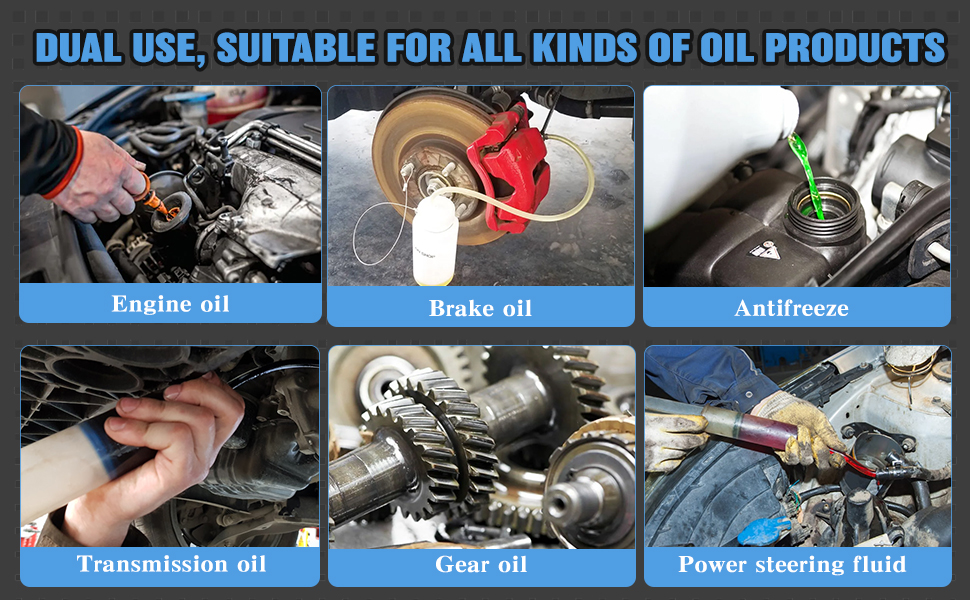
Fluids are rarely convenient. Oil, coolant, brake fluid, transmission fluid, and even water can be awkward to drain, store, and dispose of properly. Gravity-based draining often requires lifting a vehicle, removing a drain plug, and catching the flow in a container that never seems to sit in the right place. Manual pumps and extractors offer a more controlled alternative.
Cleaner work areas. A good pump keeps fluid inside a container instead of on the floor. That matters not only for safety but also for speed, because cleanup can take longer than the maintenance itself.
Less component wear. When you avoid repeated draining and plug removal, you reduce the chance of stripped threads, damaged seals, and cross-threaded fasteners.
What a Fluid Extractor Does Best
A fluid extractor is designed to pull fluid out of a reservoir, housing, or line through suction. It is especially useful when the drain plug is difficult to reach or when the fluid needs to be removed from a component that cannot be easily tilted. Many extractors use a manual vacuum pump, a flexible hose, and a collection chamber.
The real advantage is control. Instead of opening a drain and hoping the stream lands in the pan, you guide a hose into the fluid and watch the chamber fill. This makes a fluid extractor a practical choice for brake fluid reservoirs, power steering systems, coolant overflow tanks, and small gearboxes. For regular maintenance, it can also reduce the amount of lifting and positioning required before the job even begins.
Good fluid handling is not just about speed. It is about keeping the workspace safe, the machine clean, and the process repeatable.
Why an Oil Extractor Pump Is a Workshop Staple
An oil extractor pump is a specialized tool for removing engine oil, usually through the dipstick tube or an accessible service port. For many owners and technicians, it is a convenient alternative to traditional drain-plug service, especially on engines where the underbody panels, skid plates, or low ground clearance make access awkward.
Use it with the right expectations. An oil extractor pump is not a substitute for every type of service. It works best when the oil is warm, the hose reaches the sump properly, and the engine design supports extraction. It is less suitable if the oil is cold and thick, if sludge has settled heavily, or if the manufacturer specifically requires drain-plug removal for inspection and debris flushing.
When used correctly, an oil extractor pump offers several benefits:
- It reduces the chance of hot oil splashing during draining.
- It keeps used oil contained in a sealed or semi-sealed chamber.
- It can save time on engines with difficult drain-plug access.
- It makes periodic oil sampling and small-volume extraction easier.
Where a Fluid Transfer Pump Fits In
A fluid transfer pump is the general-purpose member of the family. Rather than focusing only on extraction from a reservoir, it moves fluid from one container or system to another. That could mean transferring fresh oil into a gearbox, moving coolant into a radiator, emptying a parts washer, or dispensing hydraulic fluid without lifting a heavy jug.
Transfer pumps come in manual and powered designs. Manual models are simple, portable, and affordable, while powered pumps are better for repeated or larger-volume jobs. The key is to match the pump’s materials to the fluid. A pump that handles water or mild detergent may not be suitable for petroleum products, and a pump used for oil should not be shared with coolant unless it is thoroughly cleaned.
Choosing the Right Tool for the Job
| Tool | Best Use | Key Consideration |
|---|---|---|
| Fluid extractor | Removing fluid from reservoirs and housings | Hose reach and chamber capacity |
| Oil extractor pump | Engine oil removal through dipstick or service port | Warm oil and correct hose fit |
| Fluid transfer pump | Moving fresh or used fluid between containers | Material compatibility and flow rate |
Practical Tips for Safe Use
Prepare before you pump. Check hose connections, confirm the collection container is clean, and make sure the pump is compatible with the fluid. Warm oil flows more easily, but it can also be hot enough to cause burns, so use gloves and eye protection.
Avoid cross-contamination. Keep separate hoses or label them clearly for oil, coolant, brake fluid, and water-based liquids. Even a small amount of the wrong fluid can cause problems in a sensitive system.
Dispose of fluids responsibly. Used oil and other automotive fluids should go to a recycling center or approved collection point. Never pour them onto the ground, into drains, or into household trash.
Final Thoughts
A fluid extractor, oil extractor pump, and fluid transfer pump are not glamorous tools, but they are quietly useful. They turn messy, awkward fluid jobs into controlled tasks and help protect both the equipment and the people maintaining it. Choose the tool that matches the job, use it with the right fluid and hose, and keep cleanliness and disposal in mind. With that approach, fluid maintenance becomes faster, safer, and far less frustrating.
About the Author