From Kitchen Dining to Serveware: The Art of a Beautifully Hosted Table
There is a quiet magic in the way a table comes together. It is not just the food—though that certainly helps—but the ritual of gathering, the clink of a shot glass, the careful placement of a coaster, the curve of a wine glass catching the light. Kitchen dining is where everyday meals and celebrations meet, and the right serveware turns those moments into memories.
Whether you are setting a casual breakfast nook or a formal dinner party, the objects you choose say something about how you welcome people. Let’s explore the essentials: shot glasses, coasters, wine glasses, and serveware—and how they can work together to create a table that feels both polished and personal.
Kitchen Dining: The Heart of the Home
Kitchen dining has a warmth that formal dining rooms often lack. It is where people linger over coffee, where children do homework, where friends perch on stools while dinner simmers. The beauty of kitchen dining is its flexibility. You can go rustic with wooden boards and stoneware, or modern with sleek ceramics and minimalist glassware.
Start with function. A good kitchen dining setup should be easy to use and easy to clean. But function does not mean boring. A textured coaster here, a colored glass there—small choices add up. Consider a few guiding principles:
- Mix textures: Pair smooth ceramic plates with woven placemats or linen napkins.
- Keep it accessible: Store everyday serveware within reach, but display a few favorite pieces.
- Play with height: A cake stand or raised bowl adds visual interest without clutter.
Kitchen dining is also about transition. The same table can host a quick weekday lunch and a weekend wine night. The trick is to have pieces that move easily between moods—simple wine glasses, a versatile serving platter, and a set of coasters that protect your surfaces without shouting for attention.
Shot Glasses: Small but Mighty
Shot glasses are often overlooked, yet they are one of the most versatile items in your cabinet. Yes, they are for spirits, but they also work as mini dessert cups, condiment holders, or even quirky bud vases. A well-chosen shot glass can add a touch of playfulness to a formal table or a sense of ceremony to a casual gathering.
When buying shot glasses, think about weight and rim. A heavy base feels luxurious; a thin rim feels delicate. Colored glass or etched patterns can make them feel collectible. And because they are small, you can afford to be bolder with design than you might be with a full dinner service.
“The best tables are not perfectly matched—they are thoughtfully layered.”
Use shot glasses for tasting flights at a dinner party: a tiny pour of dessert wine, a sip of espresso, a miniature appetizer. They invite interaction and conversation.
Coasters: The Unsung Heroes of the Table
Coasters protect surfaces, but they also set a tone. A stack of stone coasters feels earthy; marble feels elegant; cork feels casual; leather feels warm. They are the punctuation marks of a table setting—small, but they change the rhythm.
Think beyond function. Use coasters as part of your table’s color story. A set of brass coasters can catch candlelight. A handmade ceramic coaster can become a tiny piece of art. And because they are inexpensive to swap, they are an easy way to refresh your table for a new season or a new mood.
Keep a few styles on hand: absorbent ones for icy drinks, sturdy ones for hot mugs, and decorative ones for when guests are lingering. It is a small detail that says, I thought about this.
Wine Glasses: The Shape of the Experience
Wine glasses do more than hold liquid. The shape of the bowl, the thickness of the rim, and the length of the stem all influence how a wine smells and tastes. But for most of us, the goal is not to become a sommelier—it is to enjoy the moment.
A practical wine glass collection can be simple. Start with:
- All-purpose glasses: A medium-sized bowl with a tapered rim works for red, white, and rosé.
- Flutes or coupes: For sparkling wine and celebrations.
- Stemless tumblers: For casual evenings and outdoor dining.
Stem or stemless? Stemmed glasses keep hands from warming the bowl and look more formal. Stemless glasses are easier to store and less likely to tip. Many hosts keep both. The key is to make sure the glass feels good in the hand—a wine glass should invite you to take your time.
And do not be afraid to mix. A collection built over time—one glass from a trip, another from a sale—often feels more personal than a perfectly matched set. As long as the glasses are clean and the company is good, the wine will taste better.
Serveware: The Stage for the Meal
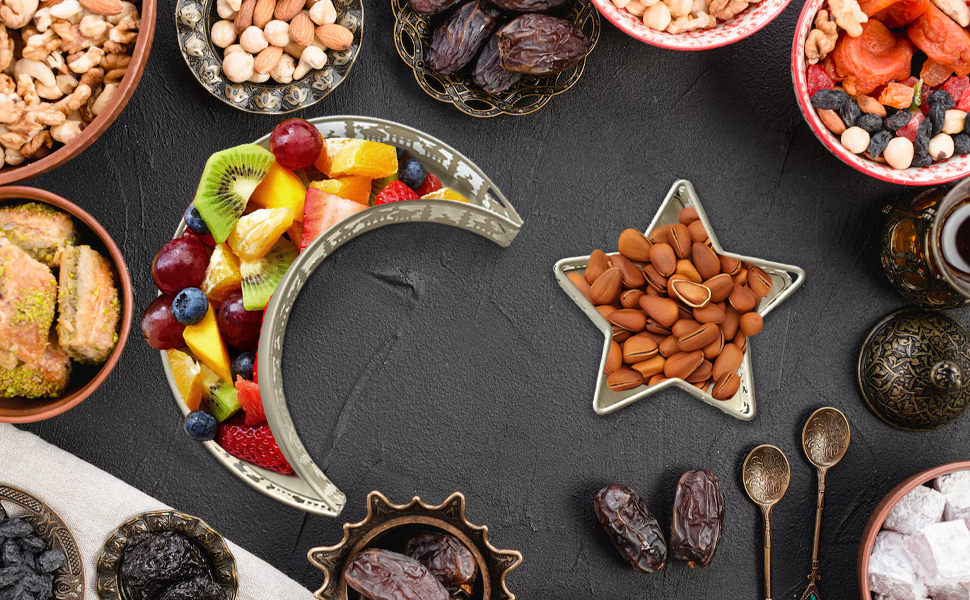
Serveware is the quiet workhorse of kitchen dining. It includes platters, bowls, pitchers, cake stands, and serving utensils. Good serveware should be beautiful enough to display and practical enough to use.
Choose pieces that multitask. A shallow bowl can hold salad, pasta, or fruit. A wooden board can be a cutting surface, a cheese platter, or a trivet. A large pitcher can serve water, sangria, or flowers. The more a piece can do, the more valuable it becomes.
Consider the weight and feel of serveware. Heavy stoneware feels grounded; thin porcelain feels refined; wood feels warm; metal feels festive. There is no wrong answer—only what suits your table and your way of hosting.
And remember: serveware does not have to match. A collection of white bowls in different shapes, a mix of wooden and ceramic platters, a vintage cake stand next to a modern pitcher—these combinations create a table with character. That is what people remember.
Bringing It All Together
The best kitchen dining setups are not bought in a single afternoon. They are gathered. A set of shot glasses from a favorite bar, coasters picked up on a weekend trip, wine glasses that feel just right in your hand, a serveware piece that makes you smile every time you use it.
So start with what you have, add what you love, and let the table evolve. Whether you are hosting a crowd or setting a place for one, the details—the coasters, the glasses, the serveware—are not just objects. They are invitations to slow down, gather, and enjoy.
Raise a glass. Set the table. Welcome people in.
About the Author