How Smart Accessories Are Reshaping Everyday Payments
Paying for things used to be a simple, almost invisible moment: reach for a wallet, pull out a card, swipe or insert, and move on. Today, that moment is being redesigned by smaller, smarter accessories that aim to make transactions faster, cleaner, and more intuitive. From minimalist holders to pocket-sized tools, the way people carry and use payment technology is changing—and the best upgrades are the ones that feel natural rather than complicated.
Quick takeaway: convenience matters, but so do security, durability, and how naturally a payment tool fits into your daily routine. The right setup should reduce friction without adding new worries.
Why Convenience Is Driving the Shift
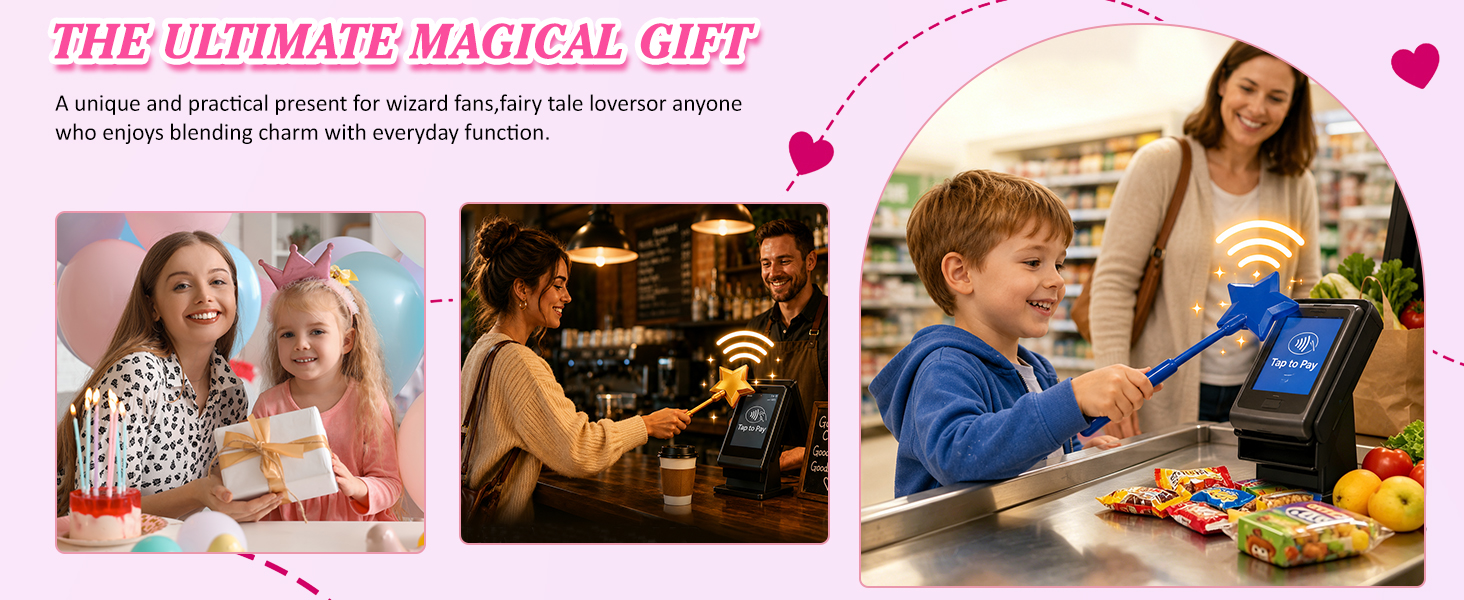
People rarely switch everyday tools because of hype alone. They switch when something saves time, removes an annoyance, or simply feels better to use. That is why compact payment accessories are gaining attention. A Credit card wand is a good example of this mindset: it extends the payment experience outward, making it easier to reach a terminal without awkwardly positioning a wallet or phone. The appeal is not just novelty—it is smoother movement in checkout lines, restaurants, and busy counters.
There is also a psychological benefit. When a tool feels purpose-built, people tend to use it more confidently. They do not have to dig through a bag or juggle multiple items at the register. Instead, the payment step becomes part of a streamlined routine.
Less Fumbling, More Flow
Small improvements add up. A tool that is easy to grip, easy to tap, and easy to store can make a surprising difference during a rushed day. The goal is not to make payments dramatic. It is to make them disappear into the background, where they belong.
Security and Control Still Matter
Convenience without confidence is a short-lived trend. Anyone adopting a new payment accessory should still think about protection, privacy, and control. A modern Contactless payment card typically uses tokenization and short-range wireless communication, which can help reduce exposure compared with manually entering details. Still, good habits matter as much as good hardware.
What to look for: a secure design, clear instructions, reliable materials, and a layout that keeps your card or device protected when it is not in use.
- Choose accessories with sturdy construction and a snug fit.
- Keep cards away from unnecessary scanning or exposure.
- Review transaction alerts and account activity regularly.
- Prefer simple designs that do not block wireless signals.
The best payment accessory is not the one with the most features. It is the one you can trust, carry comfortably, and use without thinking twice.
Design That Fits Real Life
Payment tools live in the real world: pockets, purses, backpacks, car consoles, and desk drawers. That means design has to handle movement, wear, and quick access. A well-designed Tap to pay card holder can keep a card organized while making the tap action more natural. Materials matter here—soft-touch finishes, slim profiles, and reinforced edges often make a bigger difference than flashy details.
There is also a visual side to practicality. A clean, understated accessory is easier to integrate into different settings, from a casual coffee run to a business lunch. When form and function work together, the tool feels less like an add-on and more like part of the essentials.
Choosing the Right Setup
Before buying any new payment accessory, consider how you actually move through your day. Do you carry a phone, a wallet, or both? Do you prefer something pocket-sized or something that attaches to a bag? The answers will point toward a better fit.
- Check compatibility: make sure the accessory works with your card, phone, or preferred payment method.
- Prioritize comfort: look for a shape that feels secure in your hand.
- Think about storage: choose a holder or wand that protects your card when it is not in use.
- Keep it simple: fewer moving parts often mean fewer daily frustrations.
A More Intentional Payment Routine
The shift toward smarter payment accessories is not really about replacing everything you already own. It is about making a few daily actions more deliberate. A better holder, a more accessible tap tool, or a more secure way to carry a card can all contribute to a checkout experience that feels calmer and more controlled.
As contactless technology continues to mature, the most successful products will likely be those that respect the user’s time and attention. They will not demand a learning curve or force people to change their entire routine. Instead, they will quietly improve the moments that happen dozens of times a week. That is the real promise of modern payment design: less friction, more confidence, and a setup that simply works.
About the Author