Illuminate Your Outdoors: The Charm of Solar Path Lights and Solar Figurine Lights
Outdoor lighting does more than chase away shadows. It shapes how a garden feels after sunset, guides guests safely along a walkway, and adds a touch of personality to porches, patios, and flowerbeds. Among the most inviting options today are solar path lights and solar figurine lights—two categories that combine practical illumination with effortless, eco-friendly charm. Whether you are refreshing a small balcony or designing a full backyard retreat, these lights can transform an ordinary outdoor space into a warm, welcoming scene.
Why Outdoor Lighting Deserves a Second Look
Good outdoor lighting is part safety, part style. A well-lit path reduces tripping hazards, while soft accent lighting highlights trees, fences, and garden art. Unlike harsh floodlights, decorative solar lights create a gentle glow that feels calm rather than clinical. They also run on sunshine, which means no wiring, no outdoor outlets, and no added electricity costs. For homeowners who want atmosphere without complicated installation, solar lighting is a practical first choice.
Another advantage is flexibility. Solar lights can be moved easily when you rearrange a flowerbed or change a walkway. They are ideal for renters, too, because they require no permanent modifications. With a mix of path lights and figurine lights, you can build a layered lighting plan that feels intentional yet relaxed.
Solar Path Lights: Guiding Light with Zero Wiring
Solar path lights are the quiet heroes of outdoor design. Placed along a driveway, garden trail, or patio edge, they mark boundaries and improve visibility after dark. Most models feature a small solar panel, a rechargeable battery, and an LED bulb housed in a weather-resistant shell. During the day, the panel collects sunlight; at dusk, the light switches on automatically. The result is a soft, consistent glow that makes evening strolls feel safer and more inviting.
When choosing solar path lights, consider height, spread, and brightness. Low-profile lights work well in flowerbeds, while taller stakes suit open lawns. Warm white LEDs create a cozy feel, while cool white options look more modern. Look for models with IP65 or higher weather resistance if you live in a rainy or snowy climate. Also check the battery type—lithium-ion batteries generally perform better in cold weather than older NiMH designs.
- Placement tip: Space lights 4–6 feet apart for even coverage along a path.
- Sun check: Install panels where they receive at least 6 hours of direct sunlight.
- Style note: Mix metal, glass, and textured finishes to avoid a cookie-cutter look.
Solar Figurine Lights: Whimsy Meets Function
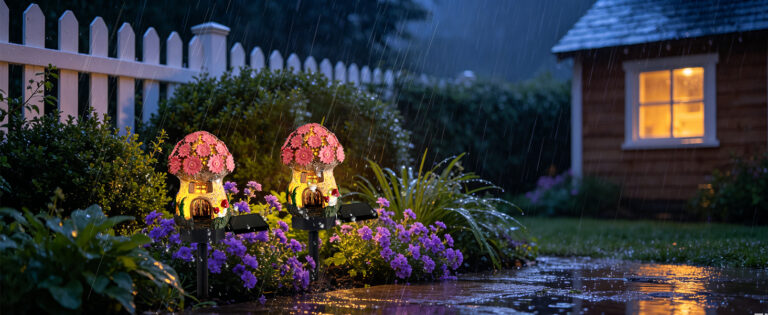
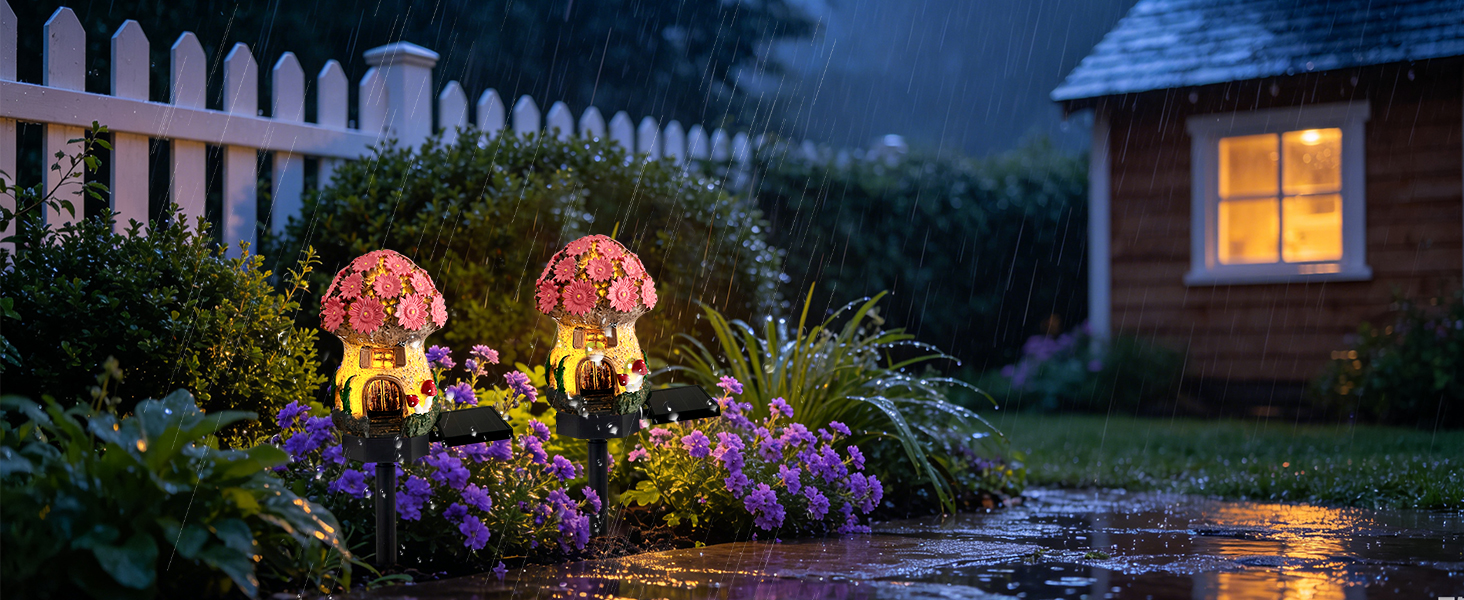
If path lights provide structure, solar figurine lights provide personality. These decorative pieces—think glowing turtles, garden fairies, perched owls, or miniature lanterns—combine sculpture and illumination in one. During the day, they act as charming garden accents. At night, they emit a soft, ambient glow that adds magic to flowerbeds, porches, and patio corners.
Solar figurine lights are especially popular for gift-giving, seasonal decorating, and small-space gardening. They require no cords, so you can tuck them into a fairy garden, place them beside a potted plant, or line a balcony rail. Many designs are hand-painted and weather-sealed, making them suitable for year-round outdoor use. For a cohesive look, choose a theme—woodland animals, coastal motifs, or abstract shapes—and repeat it subtly across your space.
Design idea: Use solar figurine lights as focal points at the end of a path or beside a seating area. Their gentle glow draws the eye and makes small gardens feel larger.
Designing a Layered Lighting Look
The best outdoor lighting feels natural, not overdone. Start with solar path lights to define walking routes and edges. Then add solar figurine lights for accents and conversation pieces. If you have trees or shrubs, consider hanging solar lanterns or stake lights to create depth. Aim for three layers: guidance lighting at ground level, accent lighting on features, and ambient lighting for overall warmth.
Color temperature matters, too. Warm white light (around 2700K–3000K) feels inviting and works well with wood, stone, and foliage. Avoid mixing too many colors in one view; consistency helps the eye relax. Finally, resist the urge to light every inch. Dark spaces between lights create contrast, which makes the illuminated areas feel more intentional and dramatic.
Practical Tips for Long-Lasting Solar Lights
Solar lights are low-maintenance, but a little care goes a long way. Clean solar panels regularly with a damp cloth—dust and bird droppings can reduce charging efficiency. In winter, bring delicate figurine lights indoors if temperatures drop below freezing. Replace batteries every 1–2 years if you notice shorter runtimes. And during long cloudy spells, don’t worry: most quality lights are designed to handle a few gray days.
For best results, choose lights with replaceable batteries and durable housings. Avoid extremely cheap models with sealed batteries, as they often fail within a season. A slightly higher upfront investment usually pays off in reliability and longevity.
Final Glow
Outdoor lighting is one of the easiest ways to make a home feel more welcoming. Solar path lights bring safety and structure, while solar figurine lights add whimsy and warmth. Together, they create a layered, eco-friendly lighting scheme that works from dusk until dawn—without wires, outlets, or complicated setup. With a thoughtful mix of placement, style, and warm light, your outdoor space can become a place you linger in long after the sun goes down.
About the Author