Paper Mache Eggs: The Perfect Canvas for Easter Crafts
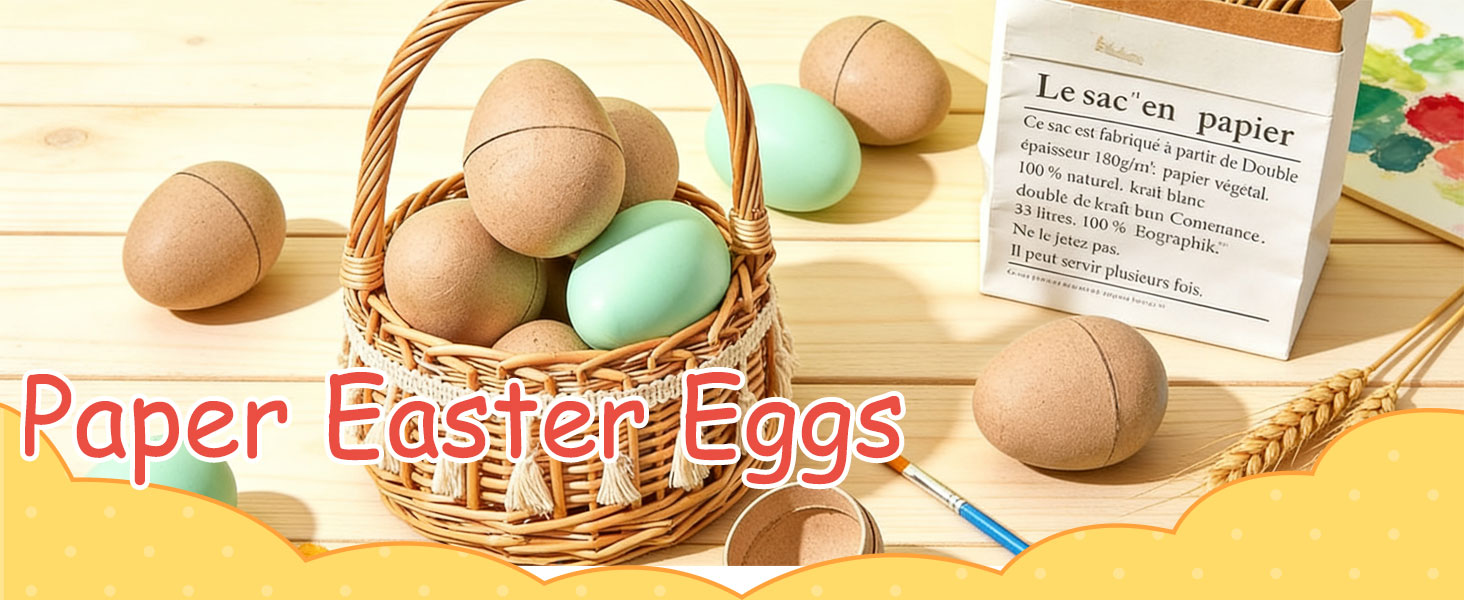
Paper mache eggs are one of those wonderful craft supplies that seem simple at first glance but open up a world of creative possibilities. They are lightweight, sturdy, and smooth enough to paint, decorate, glitter, decoupage, or embellish with almost anything you can imagine. Whether you are planning a classroom activity, a family Easter tradition, or a handmade holiday display, paintable Easter eggs made from paper mache offer a forgiving surface and plenty of room for personal style.
Unlike real eggs, paper mache eggs do not crack when little hands squeeze them a bit too hard. Unlike plastic eggs, they can be painted and customized with satisfying texture. For anyone searching for Easter eggs for crafts, paper mache eggs are a smart, reusable, and highly adaptable choice.
Why Paper Mache Eggs Deserve a Spot in Your Craft Box
Paper mache eggs are made from layers of paper and paste, which gives them a dense but lightweight feel. That combination makes them easy to handle, hang, stack, and display. They also accept paint beautifully. Acrylic paint, tempera, gouache, and even some markers can work well on a primed paper mache surface.
Another advantage is durability. A finished paper mache egg can last for years if it is stored carefully. That means a child’s painted egg from this Easter can become a treasured decoration next spring and beyond. For craft groups, this durability is especially valuable because the eggs can be handled repeatedly without falling apart.
Craft tip: Always apply a base coat of white acrylic paint or craft primer before adding detailed designs. A base coat helps colors stay bright and reduces the amount of paint needed for full coverage.
What Makes a Great Paintable Easter Egg?
Not all paper mache eggs are created equal. A good paintable egg should have a smooth, even surface with minimal dents or rough patches. Look for eggs that feel solid but not heavy, with a clean seam and a shape that stands or hangs easily.
- Smooth surface: Easier to paint clean lines and detailed patterns.
- Sturdy construction: Less likely to dent during handling.
- Ready-to-paint finish: Primed or lightly textured eggs save preparation time.
- Good size variety: Small eggs work for ornaments; larger eggs make bold centerpieces.
Gather Your Supplies
Before you begin, set up a comfortable craft space with newspaper or a washable tablecloth. The supplies are simple and flexible:
- Paper mache eggs
- White acrylic paint or craft primer
- Acrylic or tempera paints in Easter colors
- Paintbrushes in several sizes
- Paper towels and a cup of water
- Optional decorations: glitter, stickers, washi tape, rub-on transfers, ribbon, or decoupage medium
Keep a few cotton swabs nearby for tiny touch-ups. They are excellent for cleaning up stray paint in tight areas or adding small dots of color.
Step-by-Step: From Plain Shell to Finished Egg
Start by wiping the paper mache egg with a dry cloth to remove dust. If the surface feels rough, lightly sand it with fine sandpaper and wipe it again. Apply one or two thin coats of white primer or acrylic paint, allowing each coat to dry completely.
Next, choose your design. You can sketch lightly with a pencil before painting. Build color in layers rather than applying one thick coat. Thin layers dry faster, look smoother, and help prevent brush marks. Let each layer dry before adding details.
When the main design is finished, add highlights, outlines, or small accents with a fine brush. If you want a glossy finish, apply a thin coat of acrylic sealer after the paint is fully dry. A matte sealer gives a softer, vintage look.
Painting Techniques for Paper Mache Easter Eggs
There are many ways to make paintable Easter eggs look polished and professional. Try these techniques:
- Sponge painting: Dab two or three pastel colors with a damp sponge for a soft, speckled effect.
- Dot art: Use the end of a paintbrush or a cotton swab to create polka dots and flower centers.
- Tape resist: Apply painter’s tape in stripes or shapes, paint over it, then peel it away for crisp lines.
- Wash effect: Mix a tiny amount of paint with water and brush it over a dry base coat for a gentle, aged look.
Design Ideas for Easter Eggs for Crafts
The best designs are the ones that fit your style. For a classic Easter basket look, paint eggs in soft pink, mint, lemon yellow, and sky blue, then add white dots or simple flower motifs. For a farmhouse-inspired display, use neutral tones like cream, sage, and warm gray, and finish with twine bows.
Children often love bold, playful eggs. Offer stickers, washable markers, and bright paints, then let them create faces, stripes, stars, or silly patterns. For an elegant centerpiece, paint larger eggs in deep jewel tones and add metallic gold accents with a fine brush.
Classroom and Family Craft Time
Paper mache eggs are excellent for group crafts because they are mess-friendly and forgiving. Set out shared paint palettes, cover tables well, and provide each crafter with a small tray or paper plate to hold their egg while it dries. Pre-prime the eggs if you want to save time, and keep the design prompts simple for younger children.
For families, this is a lovely activity to pair with storytelling, spring music, or an afternoon snack. The finished eggs can become place cards, basket decorations, or small gifts for grandparents and neighbors.
Finishing, Displaying, and Storing Your Eggs
Allow painted eggs to dry for at least twenty-four hours before handling them heavily. If you use a sealer, follow the product instructions and let it cure completely. Display your eggs in a shallow bowl, on a small stand, or hung with ribbon loops. Store them in a padded box away from direct sunlight and moisture so the colors stay fresh.
Paper mache eggs may look simple, but they are one of the most rewarding Easter craft supplies you can keep on hand. They invite creativity, hold up to handling, and turn ordinary paint into keepsake decorations. With a little preparation and a free afternoon, paintable Easter eggs can become the highlight of your holiday crafting tradition.
About the Author